🍯 Facilitator Training Guide
Honey Ice Cream
Workshop 🍦
From Honeycomb to Cone — a sweet, buzzy food experience at The Sundowner
⏱️ 2 Hours
👥 Up to 6 Guests
⭐ 4.8 Rating (241 Reviews)
📍 Every Sunday, 2:30 PM
From Honeycomb to Cone — a sweet, buzzy food experience at The Sundowner
Everything you need to understand this experience before you lead it.
Guests understand how bees produce honey, learn the science of ice cream making, and experience the joy of creating something delicious from scratch.
Relaxed, curious, and fun! Think natural garden energy — warm golden hour tones, buzzing curiosity, and sweet rewards. Make it feel like a discovery.
Couples, families (12+), foodies, and nature lovers. Groups of 4–6. Expect mixed comfort levels with both bees and cooking — keep it welcoming!
When guests take their very first lick of the ice cream they made with honey harvested right from the hive on site. That's the moment of magic!
Two recipes, one magical experience. Tap any card to reveal the role of each ingredient!
Know your kit before the session. Everything is provided on-site — check it all 30 min before guests arrive.
The insulated star of the show! The ice cream mixture bowl sits inside the Styrofoam box packed with ice and rock salt. The insulation keeps the cold concentrated for a faster, more even freeze — no machine needed for this part.
For accurate ingredient portions. Getting the ratio right is critical — too much honey affects the freezing point and final texture.
For warming the cream, milk and honey, and cooking the custard base. A heavy base ensures even heat distribution — no hot spots that could scramble the eggs.
One large bowl for the ice bath (to cool the custard), one medium bowl for whisking egg yolks and sugar. Heat-safe glass or stainless steel recommended.
For ribboning the egg yolks and sugar, and for continuous stirring of the custard base over heat. A balloon whisk gives the best control and prevents lumps.
Packed around the ice cream bowl inside the Styrofoam box. Rock salt lowers the freezing point of ice dramatically — down to around -10°C — enabling the mixture to freeze without a machine.
Our ice cream churner. Ready to use at any time — no pre-freeze needed. Pour in the cooled custard base and let it churn to a perfect soft-serve consistency in ~20–25 minutes.
For the satisfying final scoop into bowls. Run under warm water before scooping for a clean, rounded presentation.
Bowls only for serving — allows guests to pile on toppings generously without worrying about balance. Have them pre-arranged at the toppings station looking inviting.
For pouring and setting the honeycomb. Line with baking paper — do not grease. The honeycomb should peel off cleanly once fully cooled and set.
For transferring the churned ice cream to set overnight. Label with the date. Have one pre-labelled tub ready per batch.
Ice cream making is deliciously messy! Keep paper towels, a damp cloth, and a small bin within reach throughout the session.
Full-body white suits with integrated veil. White is calming to bees. Check all zips — front, cuffs, and veil — are fully sealed before approaching the hive. Have a range of sizes ready.
Long-gauntlet gloves that overlap the suit sleeves for a full seal. Dust with powder before putting on — this helps them slide on easily and ensures a bee-proof fit at the wrists. Size up if unsure.
Loaded and lit with wet leaves for cool, gentle smoke. The wet leaves slow the burn and produce a thick, cooler smoke that calms bees without heat stress. Always test the smoke temperature on your wrist before use — it should feel cool.
Collected fresh before the session. Soak in water for 10–15 minutes for optimal moisture level. Dry leaves burn too hot and too fast — wet leaves give a slow, cool, steady smoke ideal for a calm hive visit.
Set up near the Apiary before the session. Should include: bee species comparison, lifecycle diagram, hive anatomy, and fun facts. Acts as a reference point during the theory section and while guests observe the hive.
Used to gently pry apart frames sealed by propolis (bee glue). Essential for opening the hive without damaging comb or disturbing the colony more than needed. Keep it clean between sessions.
Click each step to expand the full facilitator notes and tips.
Greet guests as they arrive and invite them to settle in. Open with warmth and curiosity — this sets the entire tone for what follows. Introduce The Sundowner as more than just a venue: it's a living space dedicated to exploring the origin of food and our relationship with nature.
🎤 Suggested Opening Script
"Welcome to The Sundowner! I'm [Name], and today we're going on a delicious little adventure. This place is all about one simple question: where does our food actually come from? Before it reaches our plates, before it lands in a jar or on a shelf — what's the story? Today, we're going to trace honey all the way from the hive to your ice cream cone. And the best part? You're making it yourself."
Key things to cover in your introduction:
🐝 BEE ENCOUNTER TEASER
Honeybees are the world's largest pollinators — responsible for 1 in every 3 bites of food we eat. Drop this fact early and let it linger. Tell guests they'll get to meet the bees later, face to face. This creates anticipation that carries through the whole session!
Before you make ice cream, know what makes it different from its frozen cousins! Use this interactive scale to walk guests through the spectrum — from the lightest icy sorbet to the richest, creamiest ice cream.
The Frozen Treats Spectrum 🌈
👆 Tap a treat to learn more
Ice cream didn't just appear in a tub at the supermarket — it took centuries of travel, culture, and creativity to become what it is today. Walk guests through this delicious origin story using the map and timeline below.
🍧 The Journey of Ice Cream
🇮🇷 Persia — The Origin
Persians were the first to enjoy sharbat — a mixture of snow or ice with fruit syrups, rose water, and grape juice. This was a royal treat served to the ruling class as far back as 400 BCE. The word "sorbet" comes directly from the Persian sharbat.
🛣️ The Silk Road — The Highway
Traders along the Silk Road carried not just spices and silk, but ideas — including the concept of iced drinks and frozen treats. As the recipe travelled westward, each culture added its own twist. Arab traders introduced sharbat to the Mediterranean world, where it became sorbetto in Italian.
🇫🇷 France — Milk Enters the Picture
When the frozen iced treat arrived in France in the 17th century, French cooks added a brilliant twist — milk. This created a creamier, more indulgent version. King Louis XIV was reportedly a fan, and frozen desserts became a centrepiece of aristocratic banquets. The French called it fromage glacé (frozen cream).
🇮🇹 Italy — Heavy Cream & Gelato
Italian cooks — particularly in Florence — added heavy cream and egg yolks to the mix, producing a richer, denser frozen dessert: gelato. The Medici family is often credited with spreading gelato across Europe. Italian chefs brought the recipe to France, which then inspired what we know today as modern ice cream.
Before the freezer was invented, making ice cream was a labour of love. Walk guests through the original hand-made method — which is almost exactly what they'll be doing today — before introducing the modern compressor machine.
The Original Method — No Machine Needed! 🧊
This method dates back to at least the 17th century and remained popular well into the 19th century until mechanical refrigeration became common. Sound familiar? It's exactly what you'll be doing today with the mason jars! 🫙
Mix the Base
A sweetened mixture of cream, milk, and flavourings (like vanilla or fruit) was hand-mixed in a metal canister.
Ice & Salt Bath
The metal canister was surrounded by ice mixed with salt. The salt lowered the freezing point of the ice, creating a temperature cold enough to freeze cream — down to around -10°C!
Churn by Hand
The canister was turned or shaken — often using a crank freezer — to freeze the mixture evenly and prevent large ice crystals from forming. This is why agitation = creaminess!
Pack & Harden
Once thickened, the ice cream was packed and left to harden in more ice before serving. The whole process took 30–60 minutes of arm work!
How it all comes together
This is the heart of the experience — guests make a proper custard-based ice cream from scratch. The technique uses gentle heat and tempering to build a silky, professional base. Keep the energy calm and focused here; this step requires attention!
Step-by-Step Method
Warm the Cream and Milk
Combine the heavy cream and whole milk in a saucepan. Heat gently over medium heat — do not boil. The warmth unlocks honey's floral aromatics. Let guests take a big sniff at this point! 🍯
Whisk Egg Yolks + Sugar
In a separate bowl, whisk the 9 egg yolks with the granulated sugar (50g) until pale and slightly thickened. This is called "ribboning" — the mixture should fall off the whisk in a slow ribbon. This step begins building the custard structure.
⚡ Temper the Cream into the Honey
Slowly ladle a little warm cream mixture into the honey pan, whisking constantly. Then gradually pour in the rest. Tempering prevents scrambling — you're gently raising the temperature of the cream base before adding the eggs. Slow and steady!
⚡ Temper Cream + Honey into Eggs
Now pour the warm cream-honey mixture slowly into the egg yolk bowl, whisking the whole time. Then return everything to the saucepan over low-medium heat. Keep stirring continuously — bring to a gentle simmer.
Cook Until Thick — The Spoon Test
Stir constantly over gentle heat until the custard thickens enough to coat the back of a spoon and fall off slowly. This is called nappe consistency. Run a finger across the spoon — it should leave a clean line that holds.
Whisk in Crème Fraîche
Remove from heat. Add 2 pinches of salt, then whisk in the crème fraîche (110g). This adds a beautiful slight tang that rounds out the sweetness of the honey. The mixture should be glossy and smooth.
Ice Bath — Cool It Down
Pour the custard into a bowl set over an ice bath (a larger bowl filled with ice and cold water). Stir occasionally until completely cooled. A cold base = better churn = creamier ice cream. Don't rush this step!
While the ice cream base cools, it's time for the drama of the session — making honeycomb from scratch! This step involves high heat and a spectacular chemical reaction that guests will absolutely love to watch. Keep safety front of mind.
Step-by-Step Method
Boil the Honey + Sugar
Combine caster sugar (200g) and honey (75g) in a heavy-based saucepan. Heat over medium-high heat without stirring until the mixture reaches a deep amber caramel colour. Swirling the pan gently is fine — but no stirring with a spoon!
Drop in the Bicarb + Cream of Tartar
Remove from heat immediately. Add the cream of tartar (¼ tsp) then the baking soda (2 tsp) all at once. The mixture will explode into foam — this is the CO₂ reaction! It happens fast!
Stir Until Foamy
Quickly stir a few times to incorporate — just enough to distribute the foam evenly. Don't overmix or you'll deflate the bubbles! The mixture should look thick, airy, and gloriously golden.
Pour & Let It Set
Quickly pour onto a lined baking tray — do not spread or press! Let the honeycomb settle naturally so the air bubbles stay intact. Leave to cool and set at room temperature for 15–20 minutes. It will harden into a crisp, glassy slab.
🔬 The Science Behind the Crunch
When baking soda (sodium bicarbonate, NaHCO₃) meets the hot acidic caramel, it decomposes and releases carbon dioxide (CO₂) gas. The thick caramel traps these bubbles before they can escape — creating the honeycomb's signature airy, porous structure. Cream of tartar (an acid) boosts this reaction and stops the sugar re-crystallising.
The custard base is ready and cooled — now it's time to hand it over to the Cuisinart Compressor. This step is satisfying to watch and gives you a great opportunity to explain the machine's mechanics while it does its work.
Drop It Into the Machine
Pour the cooled custard base into the Cuisinart compressor bowl. Switch it on — the paddle begins turning as the compressor freezes the bowl from outside in. Point out the machine's different parts and link back to the compressor cycle from the history section!
Transfer to a Tub
Once churned to a soft-serve consistency (~20–25 minutes), transfer the ice cream into a freezer-safe tub using a spatula. Smooth the top. Label it with the date.
⏳ The "Overnight" Reveal
Explain to guests that ice cream needs to set in the freezer overnight to reach its final scoopable texture — what professionals call "hardening off". The batch they just made will be for the next day. But don't worry...
🎉 We've Already Made One For You!
Reveal the pre-made batch that was prepared ahead of time — already set, perfectly scoopable, and ready to taste right now. This is the delicious payoff after all that hard work!
Half-Hour Check-In
Let guests know they can peek at their freshly churned batch after about 30 minutes to see how the texture has changed. A lovely little before-and-after moment that closes the loop on the science!
Head to the Apiary — the hive is waiting. Prep the board, smoker & suits.
Before suiting up, gather guests around the Bee Board for the theory portion. Start with The Sundowner's story — it's personal, surprising, and immediately builds emotional connection to the bees they're about to meet.
🏡 The Sundowner Story
The Sundowner didn't set out to become a beekeeping sanctuary. One day, we discovered a massive colony of bees had moved into our space — not a few bees, but an entire thriving community. Instead of calling pest control, we made a choice: to rescue them. We called in experts, relocated the colony safely, and began learning everything we could about bees. Today, our Apiary is a testament to what happens when you choose curiosity over fear. 🐝
🐝 Singapore's 3 Honeybee Species

Medium-sized and incredibly adaptable. Apis cerana is the bee you'll meet at our Apiary today. They build enclosed hives — like a cozy dark hollow — and are calmer and more manageable than their giant cousins.
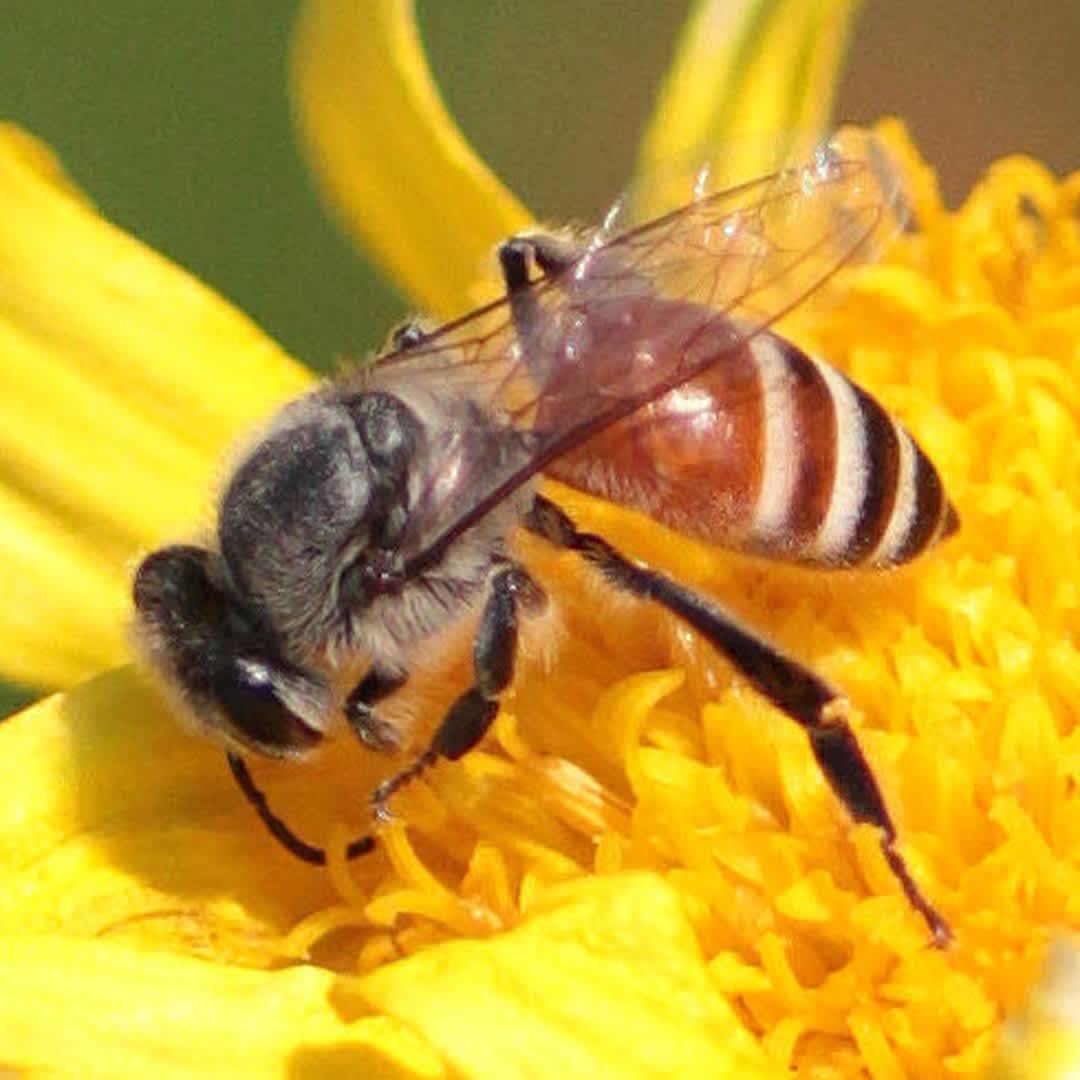
The smallest honeybee in Singapore — about half the size of a Western honeybee. They build single-comb nests on exposed branches. Can be red or black. Gentle by nature and rarely sting unprovoked.
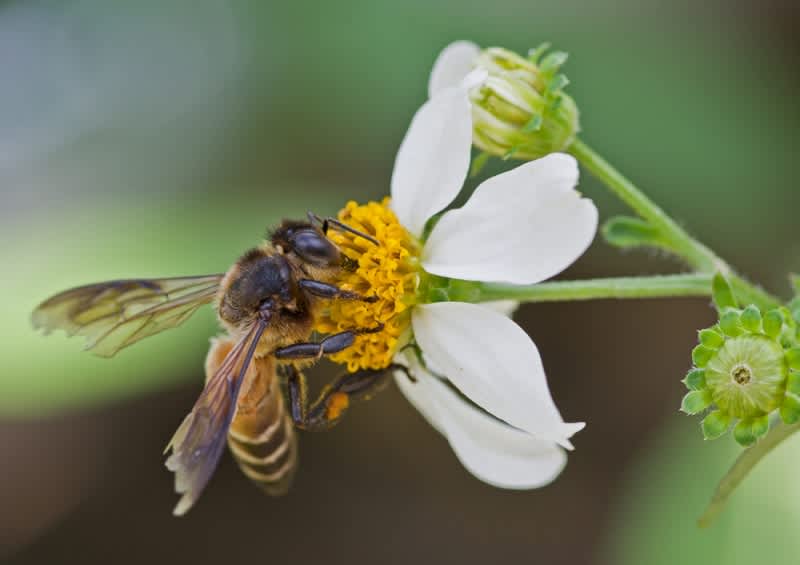
The largest honeybee in the world — up to 3× bigger than a regular bee! Builds massive exposed combs on high branches and building overhangs. Known for their defensive nature — give them space!
A honeybee hive is one of the most sophisticated societies on earth — and it all runs on three castes. Use the gender reveal as a hook; guests are almost always surprised!
👆 Tap to reveal the answer
The mother of the entire colony. There is only ever one queen per hive. She can live for 3–5 years and lays an astonishing 1,000 to 3,000 eggs per day at peak season.
♀ FemaleThe males of the hive. Drones do no work — no foraging, no cleaning, no defending. Their only purpose is to mate with a new queen. They don't even have a stinger!
♂ MaleAll female. They do everything — build comb, clean, nurse babies, guard the entrance, and forage for food. A colony can have 20,000–80,000 workers. They live just 6 weeks in summer!
♀ FemaleFrom a single egg to a fully-fledged bee in just 21 days — the lifecycle of a honeybee is a masterclass in biological efficiency.
Queen lays a tiny rice-grain egg in a cell. Hatches in 3 days.
Fed bee bread (pollen + honey mix) by nurse bees. Grows rapidly for 6 days.
Cell is capped with wax. Inside, the larva transforms — wings, legs, eyes form over 12 days.
Bites through the wax cap, emerges, and immediately cleans its own cell — ready for the next egg!
Worker bees don't have one job — they have a career progression. In their 6-week lifespan, they graduate through three distinct roles based on age, starting inside the hive and eventually venturing into the world.
The hive intern. Starts career inside the hive, tending to the queen and feeding larvae. Produces royal jelly and bee bread. Think of it as starting your career in training before seeing the outside world.
The hive's security team. Stationed at the entrance to defend against threats — bears, wasps, ants, curious humans. Guard bees use their stingers as a last resort, releasing an alarm pheromone to call for backup when threatened.
The adventurer. Flies up to 5km from the hive collecting pollen (protein) and nectar (carbohydrates) — storing them in special pouches on their hind legs. Returns to perform the "waggle dance" to share directions with hive-mates!
This is a highlight moment — guests suiting up always generates excitement, laughter, and great photos. Set it up as a fun ritual, not just a safety step!
Full-body white suits. Check zips are fully closed — especially wrists and ankles. White is calming to bees!
Dusted with powder to help them slide on easily and create a bee-proof seal at the wrists.
Lit with wet leaves (cooler, gentler smoke). Ready to use at the hive — never point directly at bees.
Educational display positioned near the Apiary — visible during the hive visit for quick reference.
📸 Suiting Up Checklist
At the Apiary, help guests understand the architecture of the hive before opening it. The hive is a marvel of natural engineering — each zone has a purpose.
Honey is stored at the top because it's the heaviest. Bees pack capped honeycomb here — the golden reward of all their foraging work. This is the section beekeepers harvest from.
The nursery. This is where the queen lays her eggs, larvae develop, and bee bread (pollen + honey) is stored to feed the growing larvae. Warm, protected, and the beating heart of the colony.
Queen cells are built at the bottom edges of frames — they look like peanut shells hanging down! These special cells are where new queens are raised, fed exclusively on royal jelly until they're ready to hatch.
Time to open the hive! Use the smoker to calm the bees before lifting the frames. Explain the science of smoke to guests — it's a beautifully elegant evolutionary trick.
💨 Why Smoke Works
Smoke simulates a forest fire — one of the honeybee's oldest evolutionary threats. When bees smell smoke, their instinct kicks in: they gorge on honey to prepare for potential evacuation. A full belly makes them docile, slow, and calm. They're too busy eating to worry about defending!
Smoke also masks alarm pheromones — so even if one bee gets agitated, its distress signal can't spread to the rest of the colony. We use wet leaves for cooler, gentler smoke that won't overheat or harm the bees.
🔍 What to Look For in the Hive
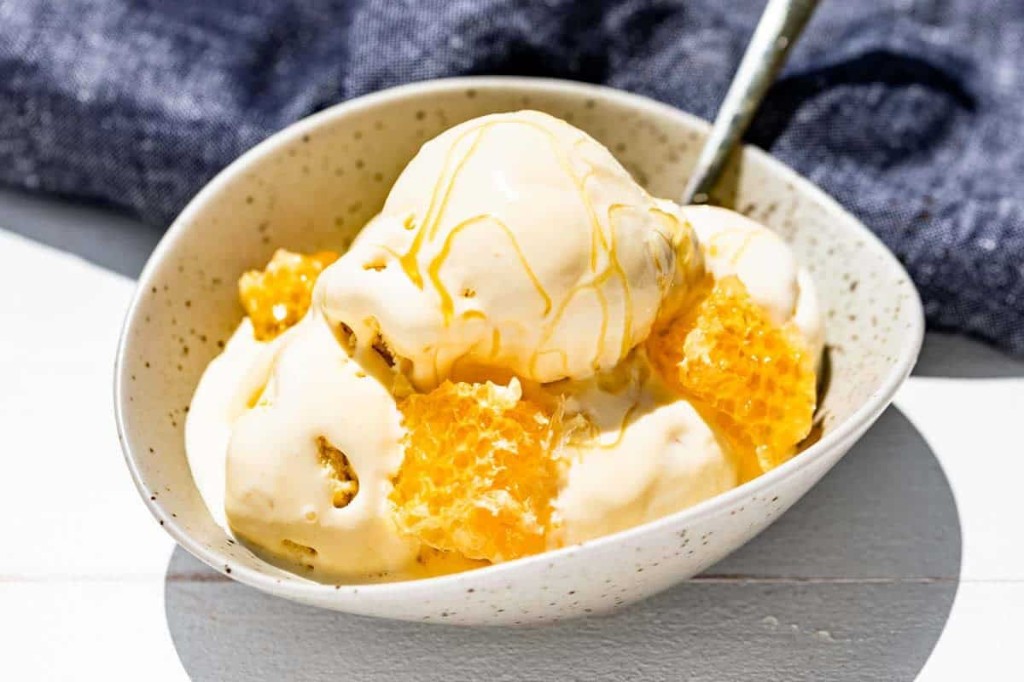
Back from the Apiary — it's time for the big payoff! The pre-made honey ice cream is waiting. Scoop it into cones or bowls and head to the toppings station — honeycomb you made, edible flowers, and a dramatic honey drizzle. 🍯
As guests enjoy their ice cream, close warmly. Share what they can do at home to support pollinators — plant native flowers, avoid pesticides, and buy local honey from small producers.
Click each item to mark it done. Aim for 100% before guests arrive!
📸 Photography Guide — Getting the Best 30 Shots